Digital twin (digital twin): what it is, how it works and its application in business and technology
Until recently, the digital twin was mainly associated with industry and advanced engineering. Now, the term is increasingly coming up in conversations about technology strategy, digital product development and data management. The problem is that digital twin is still sometimes treated as a trendy buzzword, and it’s a useful decision-making tool.
In this article you will find answers to the questions: what is a digital twin, how does it work, what are its limitations and examples that show the business value it can bring.
Digital twin – what is it in reality?
A digital twin is a dynamic, digital representation of a physical object, system or process that is continuously updated based on real data.
- plain 3D model,
- one-time simulation,
- analytics dashboard.
The digital twin “lives” together with its physical counterpart: it analyzes data, predicts scenarios and supports decision-making. In simplest terms, a digital twin is a digital test environment for reality.
What is a digital twin in business practice?
Definitions of digital twin often focus solely on technology. In reality, however, its value comes not from the model itself, but from how the organization makes decisions based on data.
Thus, it can be put as follows:
A digital twin is a continuously updated digital model that replicates real processes or systems and allows you to test decisions before implementing them on a physical or production level.
The most important elements here are three:
- continuous flow of data,
- The ability to simulate scenarios,
- Business decision support.
The combination of technology and strategy makes digital twin not just a visualization, but a tool to support enterprise decision-making and reduce waste.
Why do companies happen to misunderstand the digital twin?
Digital twin is still defined solely as technology, and it is a model for thinking about data and decisions.
- Treating it like a visualization instead of a decision-making tool,
- Implementing technology without a data strategy,
- Focusing on the tools instead of the business problem.
The digital twin works best where the goal is:
- risk reduction,
- testing the changes,
- Accelerating product or process development.
Get 5 chapters of the book for free!
Join the newsletter and gain access to 40% of the book
“15 Steps to Buying an Information System“.
Digital twin vs. simulation vs. 3D model – key differences
The differences between these concepts is an often sought and underestimated issue. So let’s look at these three concepts and summarize them.
3D model
- static,
- visual,
- no operational data.
Simulation
- allows you to test scenarios,
- is based on assumptions.
Digital twin
- updates in real time,
- uses real data,
- Supports operational decisions.
The difference is not in the graphics or technology, but in the constant connection to reality.
How does digital twin work step by step?
Behind the digital twin is a combination of several areas:
- IoT and data sources,
- systems integration,
- Data analytics and AI,
- cloud computing.
- A physical object or system generates data.
- The data goes to an analytics platform.
- The digital model updates automatically.
- The company can test scenarios and predict the consequences of decisions.
This is a change in approach from reporting the past to simulating the future.
Digital twin – examples of applications in various industries
Examples will best demonstrate the value of this concept.
Manufacturing and industry
Digital machine models can predict failures and optimize performance without stopping production.
Logistics and supply chain
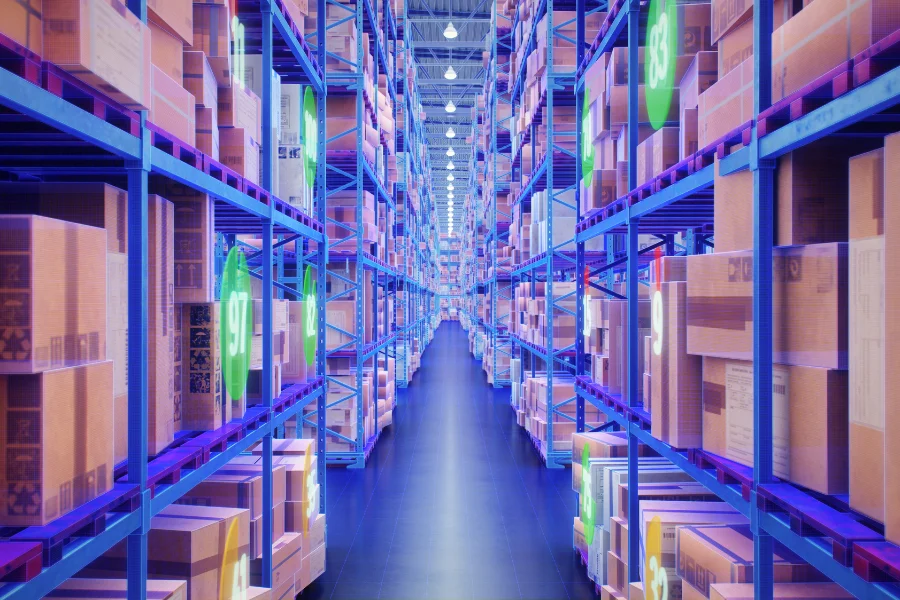
Digital twin helps simulate the flow of goods and respond to disruptions before they affect operations.
Smart cities and infrastructure
Cities are using digital twins for traffic, energy and investment planning.
Digital products and software
A digital twin can map user behavior or system architecture, helping product teams make decisions faster.
Digital twin in digital product strategy and technology transformation
In technology projects, digital twin allows to combine business strategy with real data.
- Analyze user scenarios,
- Anticipate the impact of changes on the system,
- iterate the product faster and safer.
This is especially important where technology, UX and business must work as one ecosystem.
The biggest benefits of implementing digital twin
- Reduction in operating costs,
- faster decisions,
- better use of data,
- The ability to test strategies without risk.
The most significant change, however, is the shift from reactive to predictive management.
When does a digital twin not make sense?
- Lack of a structured data architecture,
- Technology silos (data sources are not connected to each other),
- Lack of a clearly defined business goal.
The digital twin works best as the next stage of digital maturity. It is worth preceding it with incremental implementations of systems that can freely transfer data between them.
Digital twin as the foundation of decisions in modern enterprises
In short, a digital twin is a digitized layer of reality that allows companies to test future results instead of guessing them.
From industry to logistics to digital product development, the digital twin is becoming a strategic tool for organizations that want to make faster, smarter, data-driven decisions.
FAQ – frequently asked questions about the digital twin
What is a digital twin most simply?
A digital twin is a digital model of a real object, process or system that is continuously updated based on data. Unlike ordinary models, it allows not only to observe the current state, but also to test scenarios and predict future events.
Digital twin – what is it in the context of business?
In business, digital twin is a decision support tool. Companies use it to simulate changes, analyze risks and optimize processes without having to test everything in a real operating environment.
Is a digital twin the same as IoT?
No. The Internet of Things (IoT) is responsible for collecting data from devices and systems, while the digital twin uses this data to create a dynamic model to analyze and simulate scenarios.
What are the most popular use cases for a digital twin?
Most commonly, the digital twin is used in manufacturing, logistics, smart cities and digital product development. Companies use it to predict machine failures, optimize the supply chain or analyze user behavior in applications, among other things.
Does every company need a digital twin?
Not always. A digital twin makes the most sense in organizations with lots of data and complex processes. For many companies, a better first step is to clean up the technology architecture and implement robust data analytics.
How to start implementing a digital twin?
It’s best to start by identifying a business objective, such as cost reduction, process optimization or improving user experience. Next, it’s a good idea to identify available data sources, integrate systems and only then build a digital model.